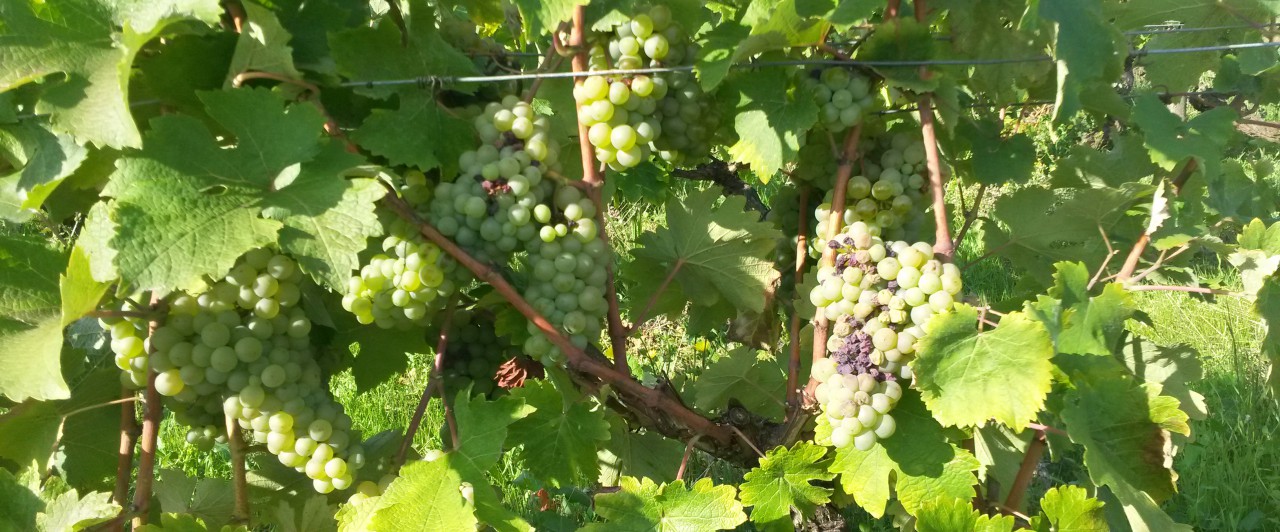
For many people the experience with Greek wine begins and ends with that bottle of retsina that tasted so good at that little taverna on Paros, but when tried again at home finished up mostly in the sink. This is a real shame as Greece has some really exciting wines to offer, at still very reasonable prices, that you just have to try for yourself.
Greek wines have made a big leap in quality in the last 10 years. In my opinion this is mainly due to Greek producers embracing the native varietals in favour of classic French grapes like Merlot, Cabernet Sauvignon, and Chardonnay. Greece has a great many indigenous varietals, some of which have only recently brought back from the brink of extinction. These are superbly adapted to the Greek terroir and climate, and give many Greek wines a unique sense of place. This is something I really value as the world already produces more than enough boring Chardonnay and Cabernet Sauvignon that could come from anywhere.
The bad news is that it is still difficult to find these interesting Greek wines on restaurant wine lists, supermarkets and anything but the largest independent wine retailers in the UK and Ireland. This is however slowly changing, and retailers like M&S now stock some very nice Greek wine, albeit mostly in their large flagship stores and online webshop.
Below I will list some of my favourite Greek grape varietals, and where to get your hand on the wines made with these.
Assyrtiko
This white grape originating from the volcanic island of Santorini is a real favourite of mine. It gives dry, pure, intense, refreshing wines, with a pleasing minerality from the volcanic soils in which roots have to go down as deep as 20 meters to find water and nutrients. Because of the very windy and dry conditions wines are trained to resemble woven nests with the fruit on the inside to offer protection against dehydration and wind damage. Some of these basket vines are extremely old, between 400 and 500 years. The old vine age together with the harsh and marginal growing conditions results in very low yields, but also very concentrated flavours in the wines.

If you like Alvarinho/Albarino, or mineral Riesling you might want to give Assyrtiko a try. You can opt for the entry level Atlantis made by Estate Argyros, a refreshing wine with lovely citrus fruit and some minerality made with 90% Assyrtiko with 5% of both Athiri and Aidani (£12.00, M&S). Very good pure Assyrtiko is made by Domaine Hadzidakis. The Hadzidakis Santorini (£13.50, The Wine Society) is definitely a step up from Atlantis with great structure, pure fruit, and a strong mineral, almost saline backbone. Both wines are a great accompaniment to fish and shellfish dishes.
Xinomavro
This red grape from the northern parts of Greece (Macedonia) is a real gem that deserves to be much better known and appreciated. It is high in acid and tannins (the astringent organic components that make you mouth feel dry when tasting red wine) and therefore often is in need of some taming by ageing the wine in oak casks or bottle. Young Xinomavro has appealing strawberry and plum aromas that are very characteristic for this grape varietal. With age these change into tomato and olives.
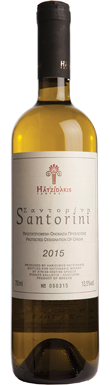
Xinomavro is not unlike Pinot Noir and Nebbiolo, and if you appreciate those classic grapes Xinomavro is definitely one you want to try. Pairing of Xinomavro depends a bit on age and the use of oak ageing, but I think you can’t go wrong pairing an oaked version with Greek style lamb stews, and unoaked ones with grilled lamb with Greek herbs and feta cheese. M&S do a very good basic Xinomavro from domaine Thymiopoulis in Naoussa for £11.00.
Malagousia
Malagousia was almost extinct and lost to the wine world forever if it wasn’t for professor Logothetis who re-discovered the grape in central Greece, and winemaker Evangelos Gerovassiliou who realised its potential and started to vinify the grape as a single varietal wine. This white grape is almost the opposite from the Assyrtiko discussed earlier. Malagousia is not at all drought resistant, produces medium to full bodied wines, low in acidity, with a strong aromatic profile reminiscent Muscat or Viognier. Harvested at the correct level of ripeness the wines display ripe peaches and apricots on the nose, with hints of herbs, while still retaining a balanced full and zesty flavour. It also has a great affinity with wood, making it possible to age these wines in oak. Perhaps these wines have the best ageing potential of any Greek white wine. Malagousia is very food friendly and can stand up to traditionally wine-unfriendly foods like artichokes and tomatoes. I suggest serving it with Greek vegetable dishes like Spanakopita (spinach pie), Gigantes Plaki (giant butter bean stew), or oven grilled Mediterranean vegetables with dill.
M&S do a very acceptable Malagousia from domaine Thymiopoulis for £10.00, but justincases.co.uk do more ambitious wines such as Alpha Estate Alpha Malagouzia at £13.50, or Gerovassiliou Malagousia for £15.95.

 Dutch Courage