Vigneron visits. Weingut Knebel, in Winningen, Mosel valley.

When on a recent trip to the Ahr valley in Germany (a post on the great wines of the Ahr will follow shortly) I had a Saturday off and decided to nip over to the Mosel for some Riesling tasting. I heard many good reports about Weingut (estate) Knebel near Koblenz and decided to give them a call and arrange a tasting. Even though it was very short notice and the staff was very busy in the vineyards they did accommodate me, for which I am very grateful.

Weingut Knebel is located on the lower Mosel River, Germany, in the small village of Winningen. The lower Mosel, also known as the Unter- or Terrassenmosel, stretches from Pünderich to the confluence with the River Rhine in Koblenz.

The Riesling grape is the king of the Mosel and has been for centuries. You’ll also find small quantities of Müller-Thurgau, Kerner, Elbling, and Spätburgunder (Pinot Noir) in the area

The Knebel family are fortunate to own plots in the best vineyards around Winningen; Winninger Uhlen, Röttgen, Brückstück, and Hamm. Grapes from these vineyards form the basis of their top cuvees, with some parcels providing grapes for the Knebels’ Guts-Riesling (Estate-Riesling) named Von der Terrassen. Below this level is a basic Riesling and their only non-Riesling bottling made from Weissburgunder (Pinot Blanc).

The Weingut Knebel tasting room is located in the family home in a residential street not far from Winningen train station. I was welcomed by Frau Beate Knebel, who led me through the wines of the exceptional 2015 vintage. The 2015 Riesling and Weissburgunder were pleasant every day drinking wines, providing freshness but offering little complexity. The step in quality between these base wines and the estate Riesling Von der Terrassen was very noticeable. This Riesling is dry, with aromas of citrus peel and herbs. It is complex, very well balanced, with flavours of grapefruit and citrus flowers, ending in a long and dry finish. The Knebels usually drink this wine with their dinner, and I can see why! Tremendous value at £10.00.

Next up were the single vineyard wines. Such wines are bottled separately to show off the differences in terroir. The 2015 Winninger Hamm had a nose of lemon, grapefruit, and white stone fruits. This had much more weight compared to the Von der Terrassen, and is almost medium bodied. The finish was long, dry, and with a pleasant minerality. A very good wine that will only improve with some bottle age. The 2015 Winninger Brückstück is almost dry with 13 gr. of residual sugar, but not quite. This amount of sugar can always be tasted in a wine, even if there is a lot of acid to balance it out. The finish however is dry, and the sugars are beautifully balanced by mouth-watering acidity, giving a sense of weight and roundness on the mid-palate. Aromas are of red apples and pears, followed by flavours of again ripe apple and pear with the addition of some herby (laurel), savoury, and mineral notes. I really like this wine. I only brought a few bottles back, but luckily I have been able to source a case from www.weine.de and I am looking forward to following the development of this wine over the next 10 or so years.

I was just a few months too early to taste the 2015 Winninger Uhlen and Röttgen they hadn’t been bottled yet. A shame as I was looking forward to tasting the dry wines from the two most famous vineyards in Winningen. I did however taste a 2015 Uhlen Auslese, and what a treat that was! Pineapple and some spice on the nose, with a taste of tropical fruits and thyme honey. Yet with all that power there is no heaviness; it is as light as a feather and so fresh. A great piece of winemaking.

Just when I thought I had tasted the best wine of the day with the 2015 Winninger Uhlen Auslese I was served the 2015 Winninger Röttgen Trockenberenauslese (TBA). This is one the best TBAs I have ever had, even though it is very young and its best years lie far into the future. Mango, pineapple, and some smokiness from the slate-y terroir, honeyed notes, and above all great purity, freshness, and length. This has it all, a triumph, very close to a perfect TBA.

To top off my very pleasant visit to the Knebel winery I was given a tour of their vineyards and dropped off by Beate Knebel at Winningen train station. I am was impressed by the quality throughout their range, with both dry and sweet styles equally strong. I am looking forward to following this exciting producer in the future. If you want to try these wines yourself Flint wines (www.flintwines.com) is the UK importer. They can also be ordered online at www.weine.de
Supermarket wines: Sainsbury’s Top 5 whites under £10

Visiting the wine department of a supermarket can be a little confusing. A myriad of wines accompanied by a plethora of deal – there can be almost too much choice.

So I have come up with my top five white wines from Sainsbury’s giving everyone at least a place to start. They’re all under £10 so there’s something for any budget. Often a supermarket will approach a winemaker and ask them to create a bottling exclusively for them – and that’s what has happened here. You’ll notice all of these wines come from Sainsbury’s Taste the Difference – there are of course other wines available when you do your weekly shop, but in my opinion these are some of the best value for your money.

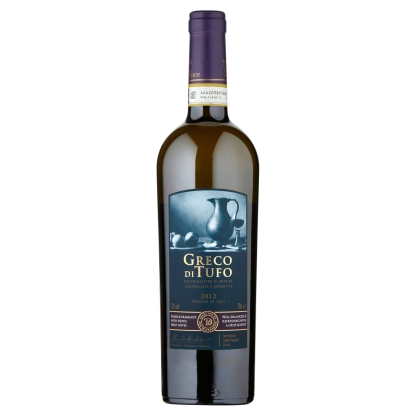
Taste the Difference Greco di Tufo 2015, £9

Greco di Tufo comes from the volcanic soils of Campania, southern Italy. The nose has hints of citrus blossom mixed with macchia herbs. A good choice if you’re partial to Soave – it’s really nice stuff. Lovely fruit, fennel/liquorice/aniseed-y flavours, chalky minerality, and a slightly salty finish. A good acidic backbone brings the whole wine together. Drink with roast chicken with thyme and lemon or grilled fish.

Greco

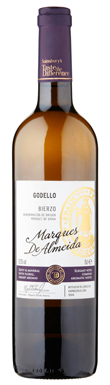
Taste the Difference Godello Bierzo 2015, £9

From the slate soils of Bierzo in north western Spain. Enticing smells of red apple and tropical fruits are followed by flavours of herbs and nuts. A dry wine that has a bit more body to it, and a bit fruitier than the Greco di Tufo. This wine has a nice complexity and an impressively long finish – the taste lingers on your tongue which is a sign of quality in wine. This is lovely summer drinking, and will go well with seafood and fish dishes.

Godello
Sainsbury’s Taste the Difference Godello Bierzo


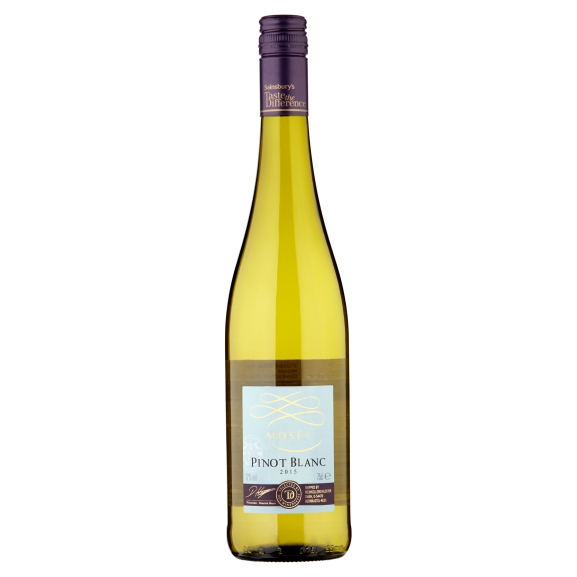
Taste the Difference Mosel Pinot Blanc 2015, £7

This is a Weissburgunder (Pinot Blanc) from the Riesling stronghold which is the Mosel valley in Germany. This offering from Sainsbury’s has the lemon and wet stone aromas typical of many Mosel Rieslings. Another dry white but again much rounder compared to the Greco di Tufo, with flavours of apple and lemon, and some minerals as well – Chardonnay drinkers might go for this one. It has a pleasing slight bitterness on the finish. This is a very versatile food wine and will go well with German sausages, fish, pork or chicken. But I would drink it with freshly grilled green asparagus and a classic Wiener schnitzel.


Sainsburys-Pinot-Blanc-Wine2-Apr-15
Sainsbury’s Pinot Blanc Mosel

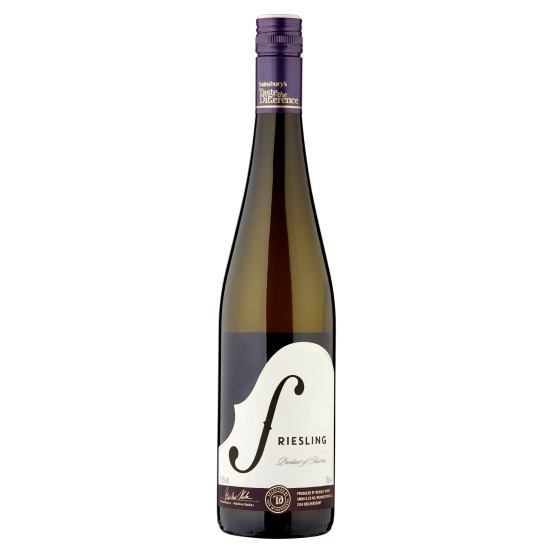
Taste the Difference Riesling Niederösterreich 2015, £8

This little gem is made by Weingut Markus Huber from the village of Reichersdorf in northern Austria. Huber is a skilled winemaker who makes top Rieslings so no wonder that at just £8.00 this wine still oozes quality. It has a nose of limes (very typical of Austrian Riesling) and pear. It is dry, light to medium bodied, with flavours of citrus fruits like grapefruit and lemon. Good acidity and well balanced it offers great value. I had this with a Flammkuchen (tarte flambée), which is like an Alsatian pizza topped with bacon lardons, onions, and fromage blanc (catch it in Lidl if you can, or better yet make yourself). It would also work with smoked pork, smoked salmon, and dishes with freshwater fish.

Sainsbury_s_Taste_the_Difference-Austrian_Riesling_
Sainsbury’s Taste the Difference Riesling Niederösterreich

Taste the Difference Languedoc White, 2015, £7

This straightforward Languedoc white is blend of typical southern French white grapes varieties; Vermentino, Grenache Blanc, Marsanne, and Viognier. The abundant sun has nourished these grapes to full ripeness resulting in flavours of lemon, tropical fruits, and peaches. It has the power to stand up to quite strong flavours. This is a great barbeque wine, particularly if pork or chicken are on the menu. I would drink this with herby Mediterranean style pork sausages.

7110da3009aa97fc844d7c8cd86f51cd
Sainsbury’s Taste the Difference Languedoc White

Vigneron visits. Michel Autran in Noizay, Vouvray

Michel Autran is an interesting vigneron. He is an ex General Practitioner that decided some years ago he wanted to ‘make things using his hands’ as he puts it himself. He sold his practice and leased two plots of Chenin Blanc near Noizay, Vouvray, on the banks of the Loire river. The combined size of the two plots is around two hectares and

Michel does almost all the work in the vineyard and the cellar on this own. Only at busy times such as the harvest season does he get some help in.

Michel is very passionate about his two plots of vines, averaging about 50 years in age, which are farmed biodynamically and organically. Even though the two plots are only a short distance apart, their terroir is quite different. The lower plot named Les Enfers with calcareous clay soil also contains limestone and flint (silex), the upper plot consists of reddish clay rich in lime. The plots are vinified separately with the produce of the former going into a cuvee called ‘Les Enfers Tranquilles’ (The Quiet Hells), and the latter forming the cuvee ‘Ciel Rouge’ (Red Sky). Fermentation is with indigenous yeasts only, and split between stainless steel and old oak 50/50. This is very much a non-interventionist wine with only a minimum of sulphur added, and very light filtration.


The 2013 Les Enfers Tranquilles offers notes of apple and pear, with some lemon and flower coming through as well. The taste is of quite extreme, almost shocking, minerality, focussed, and very angular. Apples, white fruit, and ginger hit the taste buds too. The finish is long, very mineral, and with some slight bitter notes. I like this wine very much, and it reminds me a little bit of a Riesling from the Bas Rhin in Alsace. I think it will probably outlive its sibling Ciel Rouge. But as this was only Michel’s second vintage that remains to be seen.

The 2013 Ciel Rouge a different wine altogether; much more fruit on the nose and in general a lot less mineral in taste as Les Enfers Tranquilles. It is rounder and more approachable at young age. Very nice again, but if I had to make choice between the two I would go for Les Enfers Tranquilles. I did re-taste this wine again in December 2016 and it was quite evolved, with very noticeable oxidation. I have not bottles left to keep following the evolution of this wine, but if the most recent bottle is a marker I would say I was right to drink these early.

Both these wines go well with the local freshwater fish from the Loire, pork dishes, and goats cheeses. Sitting in Michel’s kitchen we were offer to taste these wines with a local goats cheese. I don’t remember the name but it was probably a kind of Sainte Maure de Touraine. I can highly recommend this combination.

Michel also produces a third wine, a sparkling wine in a pétillant style called ‘Cap à l’ouest’. This is a brut nature or zero dosage wine as it did not receive any sugar after dégorgement. As a result is it very dry, austere almost, with pleasing green apple-y freshness and good autolytic character. It is a good example of this style.

Michel’s production is, as one would expect with only two hectares, quite small.

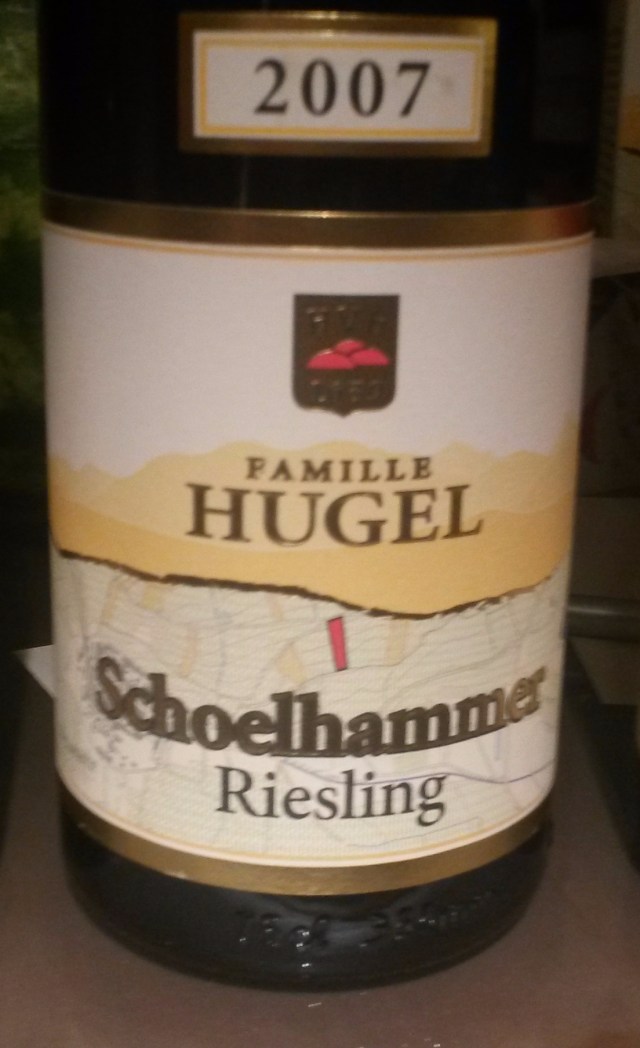
Tasting note: Hugel Riesling Schoelhammer 2007

Hugel & Fils in Riquewihr, France, has never supported the current concept of Grand Cru’s in the Alsace. They have however fairly recently added a new ‘flagship’ wine to their portfolio that is not Grand Cru in name, but certainly in nature; Schoelhammer. This Riesling is made from just 30 rows of organically farmed vines in the heart of Grand Cru Schoenenburg, overlooking Riquewihr. The first vintage (2007) was released in 2015 and I snapped up a bottle to try. I was not disappointed.

20160317_204136
Hugel Riesling Schoelhammer 2007

It has the classic nose of a maturing Riesling; petrol, and some honey too. Citrus and some floral notes are also present on the nose. Light to medium body, bone-dry, complex, focused, a bit oily, with tremendous concentration. Flavours of grapefruit, stonefruit, with some minerality and honey.  The finish appears to be almost eternal. This is a superb Riesling that will keep developing over the next 10 years no problem. I just wish I bought more bottles!


Buying supermarket wine. Part 1.

Nine out of every ten bottles of wine drunk in the UK are purchased in a supermarket. So it is pretty obvious that this is where people by the vast majority of their wine. The appeal is clear; low prices and no need to swing past the wineshop or off-licence after the weekly shop. It is however one of the most difficult environments to buy decent wine; staff have usually little knowledge of the wine and thus cannot be relied on for advice, and many wines – let’s face it – are cheap and nasty because of the supermarket’s obsession with pricing policy and maximising profit margins. Yet it is possible to find nice wines in supermarkets. I will try to shed some light in the darkness of supermarket wine by posting tasting notes of my picks of the best bottles under £10 from the major UK supermarkets here. But there are some general tips that can help the buyer of supermarket wine increase their chances in picking up something decent that is good value and worthwhile drinking.

20170219_192414
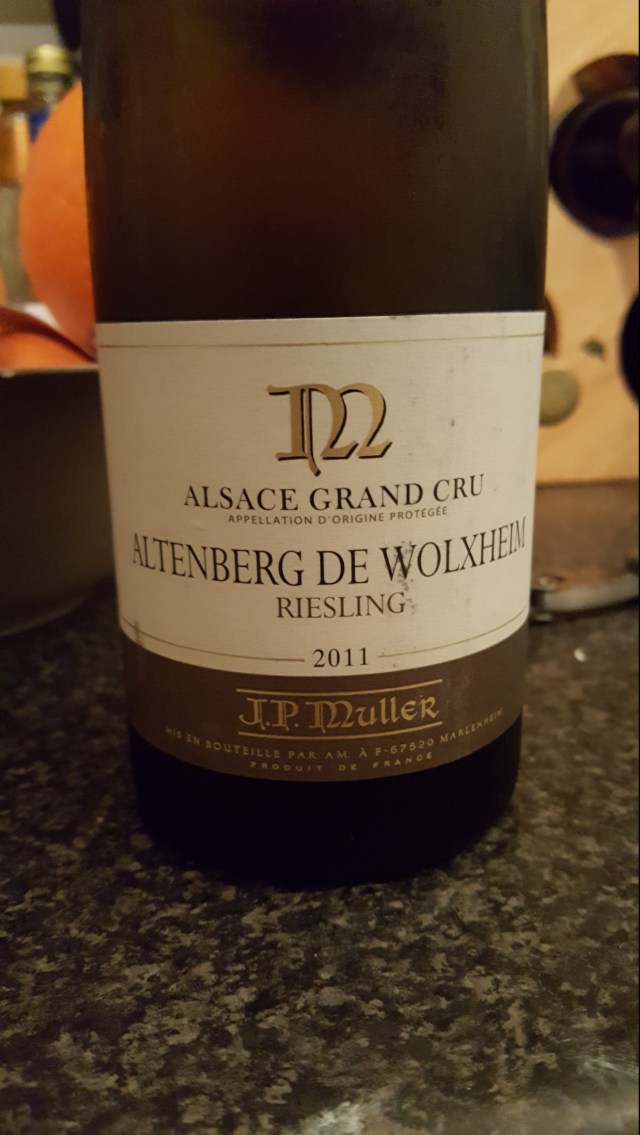
J.P. Muller Riesling Grand Cru Altenberg de Wolxheim 2011. A perfect example of a quality supermarket wine under £10.


  1. Stay clear of very cheap bottles, generally under £6. For example in a £5 bottle of wine over half the price is made up of tax and duty, and after other costs such as transport only 37p. is left for the actual wine. For a £10 bottle £2.76 is spend on the actual wine. You should be able to really taste that massive difference between 37p. and £2.76. Buy something between £6-10 and drink considerably better.
  2. The premium ranges of supermarkets offer better chances for good wine. Here supermarkets often make use of the knowledge of established producers and large cooperatives to make an own brand wine. For example Sainsburys Taste the Difference Sauternes is made by Château Guiraud. This well established and respected 1er Grand Cru Classé producer knows a thing or two about producing good sauternes, and should be able to knock out something pretty good for Sainsburys, even if it is mainly sourced from rejected lots for their first wine.
  3. Stay clear of wood aged wines under £10. Ageing wine in wood is expensive. First there is the cost of the barrels. Second there is the cost of storing these barrels for months or years in cellars. This will add a lot of costs to a wine. For example a new standard French Allier Oak barrel can set you back up to £2 000. So for cheap wines there is a need to cut corners. This varies from using wooden staves, wood chips and cubes, to artificial wood flavour. The former method is quite acceptable, the latter utterly unacceptable in my opinion. There is no way of knowing which method was used, so best stay clear of cheap wood aged wines all together.
  4. Avoid wines from well known regions. Supermarket Châteauneuf-du-Pape or Bordeaux for example are usually pretty dire. This is because the better wines of these regions fetch prices that are generally outside the range that supermarkets want to stock. Yet consumers know the names of these famous areas well and supermarkets who want to cash in on this usually turn to the absolute bottom of the quality (and price) scale. It is much better if one appreciates wines from certain premium regions to go for something similar from a less famous neighbouring area. For example if one likes Châteauneuf-du-Pape, why not spend that money on a much better Gigondas or Lirac?

So there are four general tips for buying better wine in a supermarket.  I will follow this up over the next months with my top-5 reds and whites from each from the main UK supermarkets.

Vigneron visits. Rolly Gassmann in Rorschwihr, Alsace.

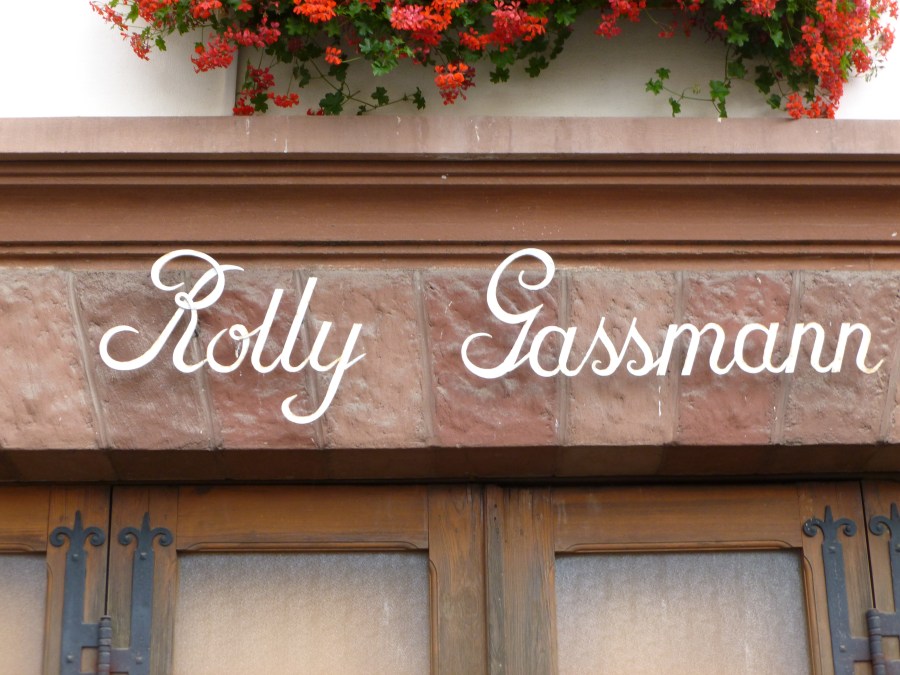
In the autumn of 2016 I visited Domaine Rolly Gassmann in Rorschwihr, Alsace, France. I had been there before and knew what was waiting for me; a mammoth tasting of 60+ wines, enough to get tired taste buds by the time one gets to the Gewurztraminers (of which there were no less than 10 on offer) at the bottom of this long list.

Now Rolly Gassmann wines are often marked by a degree of sweetness, or certain opulence if you wish. This is because Pierre Gassmann is a firm believer in Biodynamic viticulture and harvests only grapes of full physiological ripeness. This approach works well on for example a ‘lowly’ grape like Sylvaner. Other examples can sometimes be thin and insipid, but the Gassmann treatment works wonders and his Sylvaners are a great illustration of this; quite big and round, but with good acidity. Both are keenly priced too, the Réserve Millésime 2010 retails at € 7.50, the Weingarten de Rorschwihr 2007 €10.00.

Another wine that stood out during the tasting was the Muscat Moenchreben de Rorschwihr 2012 (€16.00). This very well crafted Muscat has a nose of crushed grapes and rose petals, rich and big from the considerable residual sugar, yet still quite a dry finish due to the good acidity.


p1000592

Muscat Moenchreben de Rorschwihr 2012


The nine Rieslings on offer were another highlight of the tasting.  I would pick the basic Riesling Réserve Millésime 2014 over the other dry and off-dry Rieslings, even though there were some very good ones among the rest (the Riesling Silberberg de Rorschwihr 2009 for example). The Riesling Réserve Millésime 2014 (a total steal at €11.00) has big fruit on the nose, with floral, pear, and whet stone notes, ending in a long and mineral finish. This is top notch stuff for a basic Riesling. I really like it when a domaine’s basic wines are of such high quality, a sure sign of high standards, care, and craftsmanship.

Yet the star Riesling was the stunning Riesling Rorschwihr Sélection de Grains Nobles 2010, mainly made from grapes from the lieu-dit Oberer Weingarten de Rorschwihr, so I have been told. This is a superb SGN Riesling; candied lemons and limes, honeyed botrytis richness, all carried by a great acidic backbone that never tires and a finish that never seems to end. An absolutely stunning wine and worth every penny of the €100.00 price tag. I feel privileged to have 12 bottles in my cellar and I can’t wait to see how this wine develops over the next 10-15 years.

I wish I could write something meaningful about the Gewurztraminers, but I have to confess that after the Pinot Gris the palate became tired and the notes became increasingly sparse. I did however note that the Gewurztraminer Altenberg de Bergheim 2011, from Rolly Gassmann’s recently acquired 0.16 hectares on Grand Cru Altenberg de Bergheim, was rich but with enough balancing acidity, pleasing tropical notes and some spice coming through as well. This is a lovely Gewurztraminer.

p1000586
Spittoons at Rolly Gassmann are ‘basic’

I could go on about this house’s excellent Auxerrois, luscious Gewurztraminer Sélection de Grains Nobles, and the rich entry level blend Terroir de Chateaux Forts, but I think people need to experience these wines for themselves. If you can’t make it to Rorschwihr yourself, The Wine Society and Waitrose usually offer a selection of Rolly Gassmann’s wines.  Get a bottle of their Gewurztraminer, a big wedge of Munster cheese , some crusty French bread, and you almost feel like you are in Alsace. That is what these wines do, as they have such a great sense of place. And I love them for it.

Alsace muscat

Alsace wines aren’t the most fashionable wines nowadays, but this reputation isn’t because of a lack of quality.

Domaine Bruno Sorg isn’t the most fashionable winery of the Alsace, but that reputation isn’t because of a lack of quality.

Muscat isn’t the most fashionable grape in the Alsace, but that reputation isn’t because of a lack of quality.

I hope that after having read this post some of you will want to go and discover the fantastic diversity and quality of Alsace wines, experience the brilliance of one of the lesser known winemakers in Alsace, and try wines made from the rarest of Alsace grapes; Muscat.

Domaine Bruno Sorg is based in the typical Alsace village of Eguisheim, near Colmar. Many fine domaines share this location with Sorg; Paul Ginglinger, Léon Beyer, Joseph Cattin, Wolfberger, Paul Zinck, to name a few.

P1000511

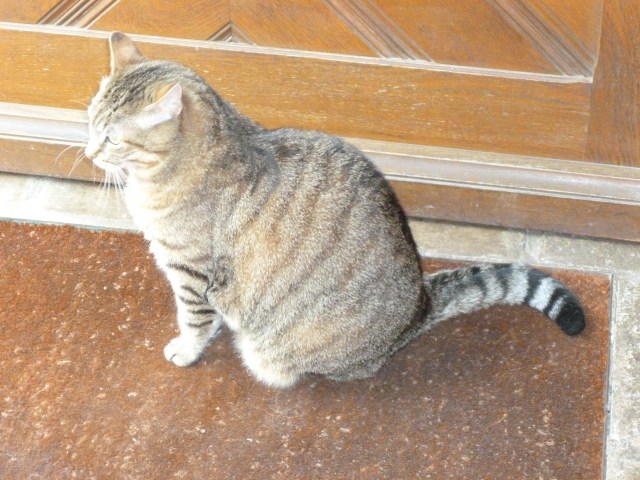
Behind a heavy wooden gate a courtyard leads the way to Sorg’s tasting room. This is a modest affair with a small bar, a few tables and chairs, and a big cat that keeps watch over proceedings. You wouldn’t know you just stepped into the realm of one of the most talented producers in all of Alsace. This is not the slick operation one will find with Hugel or Marcel Deiss, with many staff milling about, fancy automatic doors, and colourful brochures. No, here you will find a printed A4 with a relative small number of wines, mostly only of the latest vintage. But what it lacks in numbers, it makes up in quality.

P1000518
The domain’s cat

Alsace Muscat is actually made up of three varieties; Muscat Ottonel, Muscat Blanc à Petit Grains, and Muscat Rosé à Petit Grains (the latter being just a pink-skinned clone of the former). Muscat à Petit Grains is less aromatic compared to Muscat Ottonel, but the wines are often fuller bodied and flavoured. Some producers favour one over the other, although most produce wines that are a mixture of the two types. What is typical of Alsace is that most Muscat is vinified dry. Sweet Muscat is well known in the form of Samos Muscat, Muscat de Cap Corse, Muscat de Rivesaltes, and Muscat de Beaumes de Venise. Dry Muscat is not only much more rare, but also a lot less known. Examples of dry Muscat are found in Portugal, Italy, Romania, and Crete.

Sorg produces two Muscats; a generic ‘Tradition’ and a ‘Grand Cru’.

The 2012 Muscat Tradition that I tasted in 2014 had good concentration, not the strongest bouquet I ever smelled on a Muscat, but still had that typical grapey Muscat nose with some floral notes. The taste was fresh, dry, with good acidity, grape coming back on the palate. Medium long finish. A very pleasant wine.

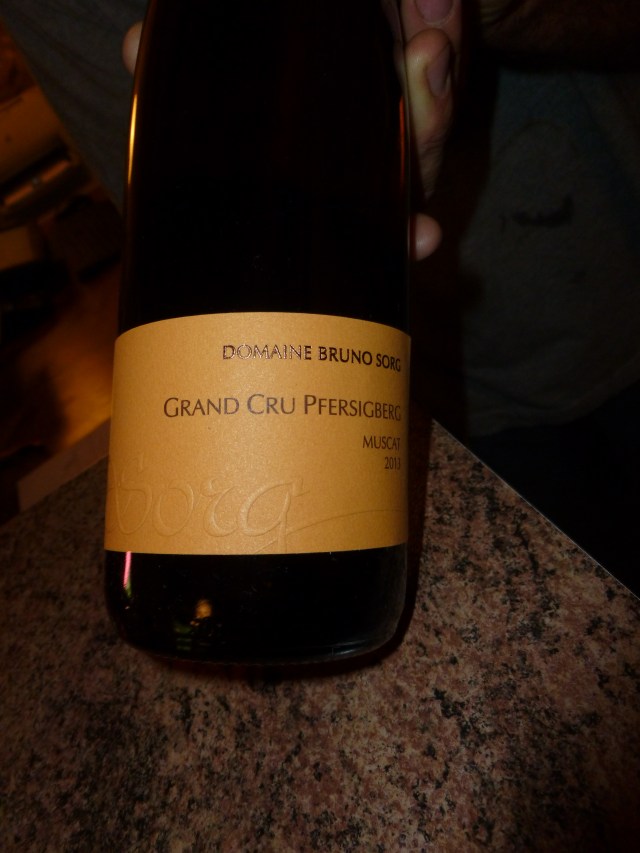
The 2013 Muscat Grand Cru Pfersigberg is a mixture of (mostly) Muscat Blanc à Petit Grains and Muscat Ottonel. The nose is strongly floral and grapey. Peachy notes come through when tasting. Combined with excellent refreshing acidity and a good body this makes a very serious and majestic Alsace Muscat. It is indeed among the best Alsace Muscat I have ever tasted. Its reputation is well deserved.

P1000519
Bruno Sorg Grand Cru Pfersigberg 2013

So what do we eat with these wines? Actually they both make fantastic aperitifs. The Grand Cru Pfersigberg is more so a food wine than the Tradition, which is a bit light. White asparagus served with ham would go very nicely with both wines. The Grand Cru can take on lighter style Thai or Vietnamese dishes too. But either with food, or as an aperitif, you should try these wines. And if it isn’t Bruno Sorg’s Muscat, consider trying another Alsace Muscat. It is such a welcome and refreshing change from the mass produced Chardonnay’s, Pinot Grigio’s, and Sauvignon Blanc’s of this world.