Buying supermarket wine. Part 1.

Nine out of every ten bottles of wine drunk in the UK are purchased in a supermarket. So it is pretty obvious that this is where people by the vast majority of their wine. The appeal is clear; low prices and no need to swing past the wineshop or off-licence after the weekly shop. It is however one of the most difficult environments to buy decent wine; staff have usually little knowledge of the wine and thus cannot be relied on for advice, and many wines – let’s face it – are cheap and nasty because of the supermarket’s obsession with pricing policy and maximising profit margins. Yet it is possible to find nice wines in supermarkets. I will try to shed some light in the darkness of supermarket wine by posting tasting notes of my picks of the best bottles under £10 from the major UK supermarkets here. But there are some general tips that can help the buyer of supermarket wine increase their chances in picking up something decent that is good value and worthwhile drinking.
20170219_192414
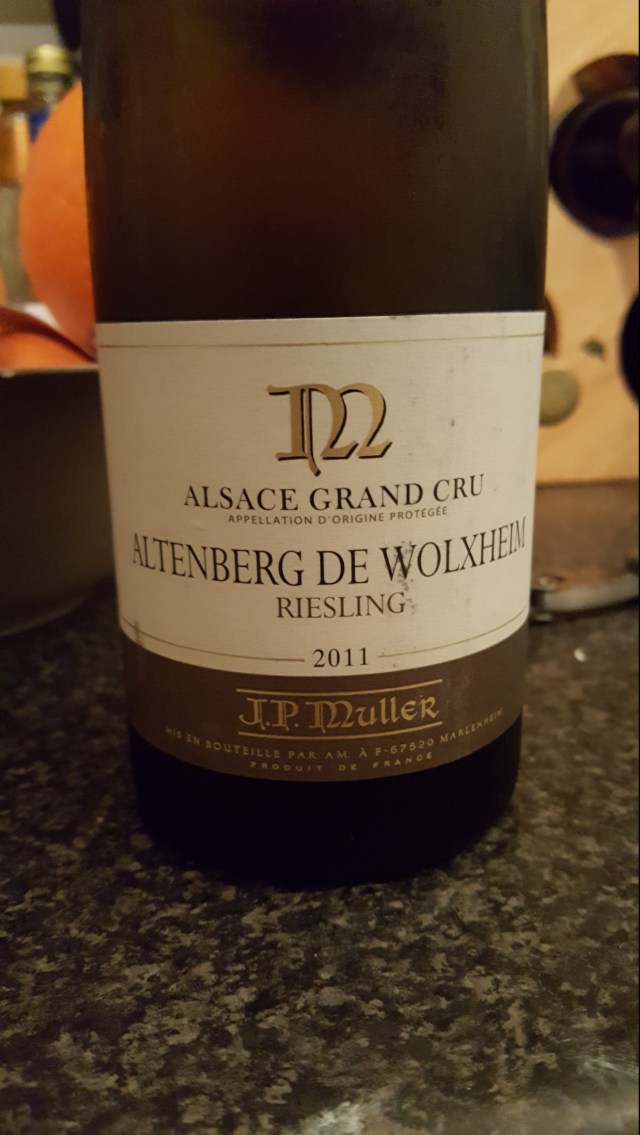
J.P. Muller Riesling Grand Cru Altenberg de Wolxheim 2011. A perfect example of a quality supermarket wine under £10.


  1. Stay clear of very cheap bottles, generally under £6. For example in a £5 bottle of wine over half the price is made up of tax and duty, and after other costs such as transport only 37p. is left for the actual wine. For a £10 bottle £2.76 is spend on the actual wine. You should be able to really taste that massive difference between 37p. and £2.76. Buy something between £6-10 and drink considerably better.
  2. The premium ranges of supermarkets offer better chances for good wine. Here supermarkets often make use of the knowledge of established producers and large cooperatives to make an own brand wine. For example Sainsburys Taste the Difference Sauternes is made by Château Guiraud. This well established and respected 1er Grand Cru Classé producer knows a thing or two about producing good sauternes, and should be able to knock out something pretty good for Sainsburys, even if it is mainly sourced from rejected lots for their first wine.
  3. Stay clear of wood aged wines under £10. Ageing wine in wood is expensive. First there is the cost of the barrels. Second there is the cost of storing these barrels for months or years in cellars. This will add a lot of costs to a wine. For example a new standard French Allier Oak barrel can set you back up to £2 000. So for cheap wines there is a need to cut corners. This varies from using wooden staves, wood chips and cubes, to artificial wood flavour. The former method is quite acceptable, the latter utterly unacceptable in my opinion. There is no way of knowing which method was used, so best stay clear of cheap wood aged wines all together.
  4. Avoid wines from well known regions. Supermarket Châteauneuf-du-Pape or Bordeaux for example are usually pretty dire. This is because the better wines of these regions fetch prices that are generally outside the range that supermarkets want to stock. Yet consumers know the names of these famous areas well and supermarkets who want to cash in on this usually turn to the absolute bottom of the quality (and price) scale. It is much better if one appreciates wines from certain premium regions to go for something similar from a less famous neighbouring area. For example if one likes Châteauneuf-du-Pape, why not spend that money on a much better Gigondas or Lirac?

So there are four general tips for buying better wine in a supermarket.  I will follow this up over the next months with my top-5 reds and whites from each from the main UK supermarkets.
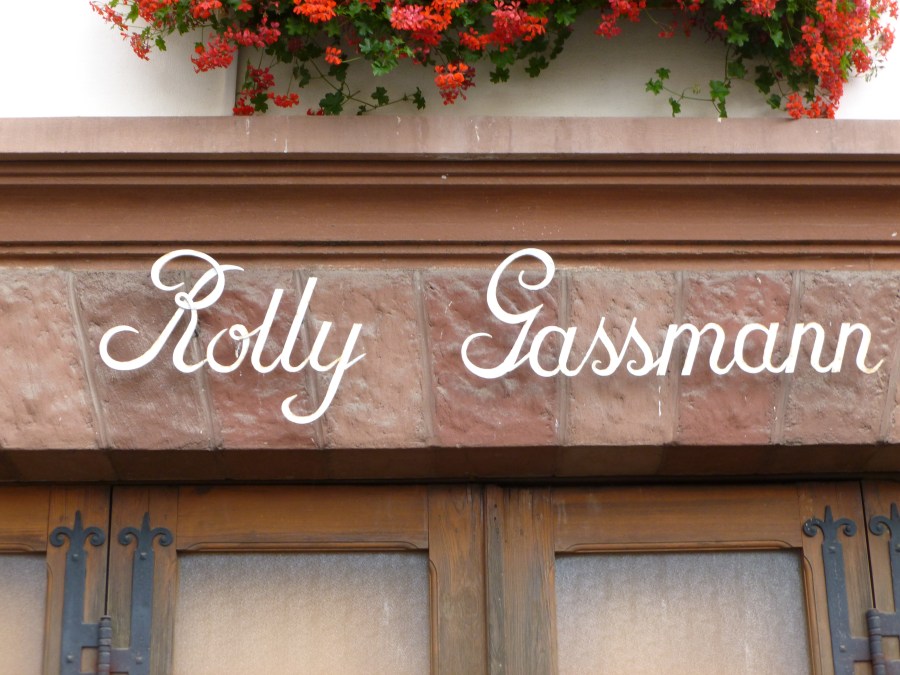
Vigneron visits. Rolly Gassmann in Rorschwihr, Alsace.

In the autumn of 2016 I visited Domaine Rolly Gassmann in Rorschwihr, Alsace, France. I had been there before and knew what was waiting for me; a mammoth tasting of 60+ wines, enough to get tired taste buds by the time one gets to the Gewurztraminers (of which there were no less than 10 on offer) at the bottom of this long list.

Now Rolly Gassmann wines are often marked by a degree of sweetness, or certain opulence if you wish. This is because Pierre Gassmann is a firm believer in Biodynamic viticulture and harvests only grapes of full physiological ripeness. This approach works well on for example a ‘lowly’ grape like Sylvaner. Other examples can sometimes be thin and insipid, but the Gassmann treatment works wonders and his Sylvaners are a great illustration of this; quite big and round, but with good acidity. Both are keenly priced too, the Réserve Millésime 2010 retails at € 7.50, the Weingarten de Rorschwihr 2007 €10.00.

Another wine that stood out during the tasting was the Muscat Moenchreben de Rorschwihr 2012 (€16.00). This very well crafted Muscat has a nose of crushed grapes and rose petals, rich and big from the considerable residual sugar, yet still quite a dry finish due to the good acidity.


p1000592

Muscat Moenchreben de Rorschwihr 2012


The nine Rieslings on offer were another highlight of the tasting.  I would pick the basic Riesling Réserve Millésime 2014 over the other dry and off-dry Rieslings, even though there were some very good ones among the rest (the Riesling Silberberg de Rorschwihr 2009 for example). The Riesling Réserve Millésime 2014 (a total steal at €11.00) has big fruit on the nose, with floral, pear, and whet stone notes, ending in a long and mineral finish. This is top notch stuff for a basic Riesling. I really like it when a domaine’s basic wines are of such high quality, a sure sign of high standards, care, and craftsmanship.

Yet the star Riesling was the stunning Riesling Rorschwihr Sélection de Grains Nobles 2010, mainly made from grapes from the lieu-dit Oberer Weingarten de Rorschwihr, so I have been told. This is a superb SGN Riesling; candied lemons and limes, honeyed botrytis richness, all carried by a great acidic backbone that never tires and a finish that never seems to end. An absolutely stunning wine and worth every penny of the €100.00 price tag. I feel privileged to have 12 bottles in my cellar and I can’t wait to see how this wine develops over the next 10-15 years.

I wish I could write something meaningful about the Gewurztraminers, but I have to confess that after the Pinot Gris the palate became tired and the notes became increasingly sparse. I did however note that the Gewurztraminer Altenberg de Bergheim 2011, from Rolly Gassmann’s recently acquired 0.16 hectares on Grand Cru Altenberg de Bergheim, was rich but with enough balancing acidity, pleasing tropical notes and some spice coming through as well. This is a lovely Gewurztraminer.

p1000586
Spittoons at Rolly Gassmann are ‘basic’

I could go on about this house’s excellent Auxerrois, luscious Gewurztraminer Sélection de Grains Nobles, and the rich entry level blend Terroir de Chateaux Forts, but I think people need to experience these wines for themselves. If you can’t make it to Rorschwihr yourself, The Wine Society and Waitrose usually offer a selection of Rolly Gassmann’s wines.  Get a bottle of their Gewurztraminer, a big wedge of Munster cheese , some crusty French bread, and you almost feel like you are in Alsace. That is what these wines do, as they have such a great sense of place. And I love them for it.